

Course finder
Welcome to the Faculty of Business and Social Sciences
About the Faculty
The Faculty of Business and Social Sciences combines the heritage and modern capabilities of the Kingston Business School and the School of Law, Social and Behavioural Sciences. Together they cultivate critical thinking and a problem-solving approach to learning, with an international outlook.
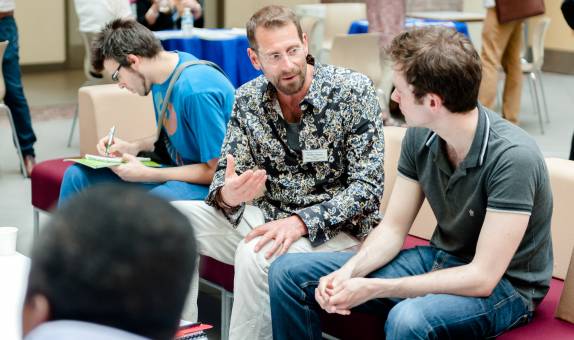
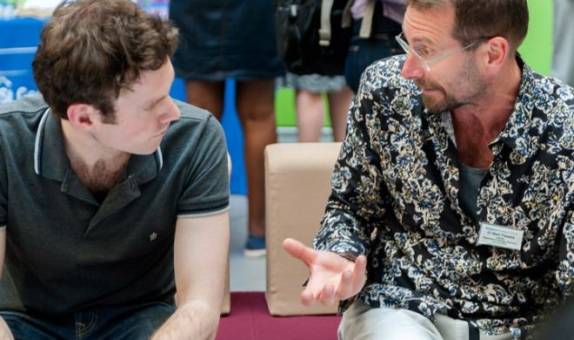
Whilst studying here, you will explore society's biggest questions from a variety of subject perspectives. You will gain insight from industry, public sector and community services professionals, as well as research-active academics with specialist areas of expertise.
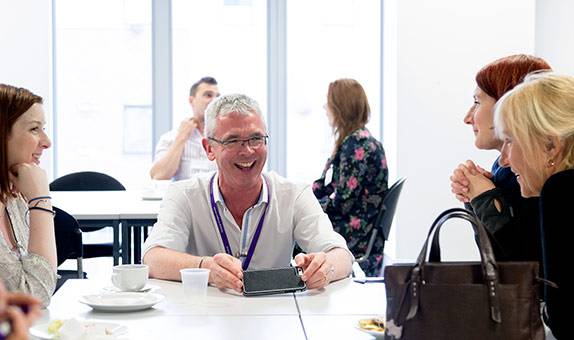
We are committed to the values of diversity, inclusivity and opportunity for all. Our thriving, buzzing campuses, within easy reach of central London, are a living example of these ideals and aspirations.
The Faculty is one of the most research-intensive parts of Kingston University. It has an energetic research culture and a plethora of research projects on offer.
Be a part of shaping the world
In today's world the unpredictable nature of information requires us to question knowledge in search of truth. To distinguish this truth we nourish students' inquisitive minds and transform them into critical-thinking professionals, capable of producing conflicting thoughts and challenging convention. We look beyond the academic environment and commit to engaging with every corner of society; empathetic to their challenges and effect change.
Our world is continually evolving and the skills required to meet its demands are also changing. We instil an enterprising and international spirit within our students, which enables you to engage in the bigger picture and graduate with the transferable skills and flexible abilities required to prosper in challenging careers.
Studying in the Faculty
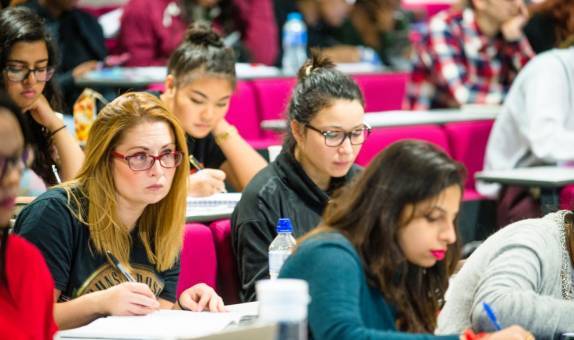
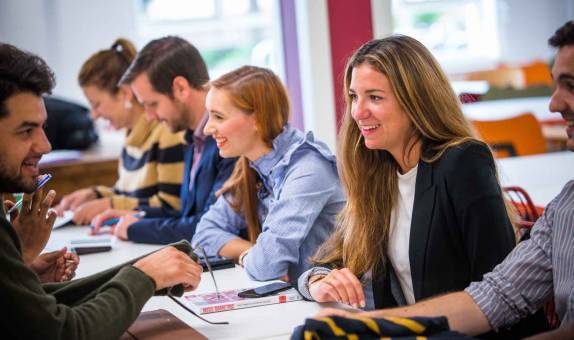
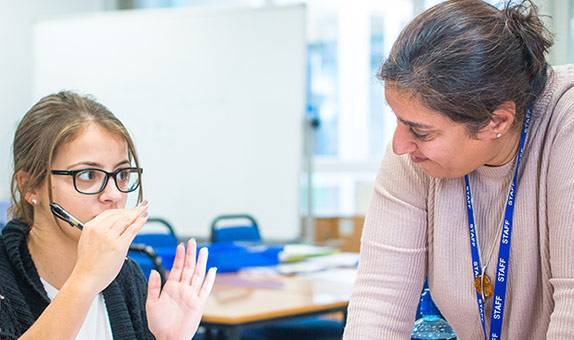
The Faculty of Business and Social Sciences comprises two schools across two campuses.
- At Kingston Hill campus, where our business courses are taught, you will be based in the dedicated, state-of-the-art £26m Kingston Business School. We are one of only a few universities in the UK to have a real-time Bloomberg trading room, which will give you the experience of working in a fast-paced professional environment. Plus, our new Kingston Business Innovation Centre, a business incubator space, has everything you need to help you start your own business.
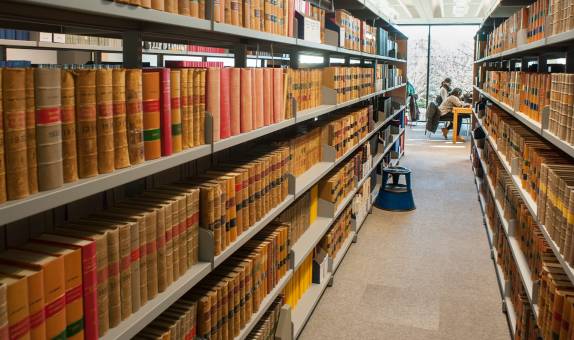
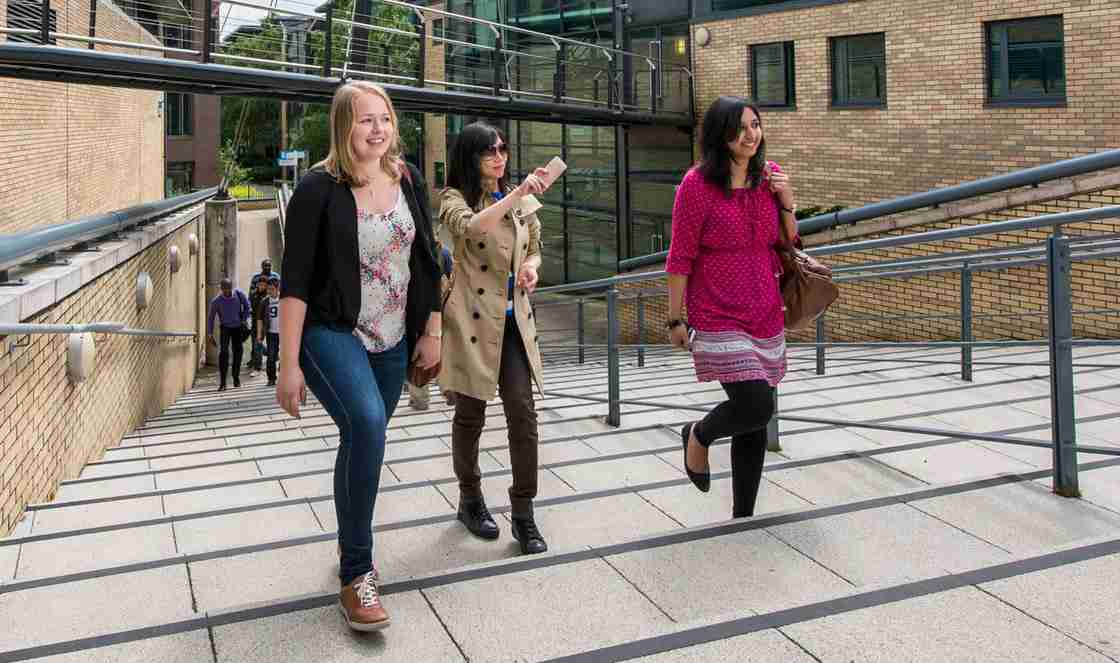
- At Penrhyn Road campus, where law, economics, criminology, sociology and psychology are taught, the campus is a hive of activity, with social activities, student union events and guest lectures taking place alongside teaching. You'll have access to our specialist psychology teaching and test laboratories equipped with high-specification equipment and software (EEG, eye-tracking, driving simulation, behavioural recording, and general cognitive and physiological testing). At the heart of the campus is the award-winning Town House building, a place that you will meet, gather and socialise as well as learn. Fundamentally this is a university library, complete with intimate corners and bookable study spaces. But it is also a building for the whole community to use, with cafes, an outdoor reading room and a roof terrace with spectacular views.



Schools in the Faculty
The Faculty of Business and Social Sciences at Kingston University comprises a diverse range of disciplines and departments across two Schools:
Kingston Business School
Kingston Business School has been awarded the prestigious international accreditation by the AACSB (Association to Advance Collegiate Schools of Business) in recognition of the excellence of our business education.
This accreditation has been earned by just 5% of the world's business schools.
Many courses are also accredited and recognised by professional bodies, including the Association of MBAs, the Chartered Institute of Marketing, the European Foundation for Management Development (EFMD) EPAS, the Chartered Institute for Professional Development (CIPD) and the Royal Institution of Chartered Surveyors (RICS).
School of Law, Social and Behavioural Sciences
The School of Law, Social and Behavioural Sciences boasts a portfolio of undergraduate, taught and research postgraduate programmes which are underpinned by a vibrant research culture, informed by the Centre for Research in Communities, Identities and Difference (CResCID).
The School offers a range of psychology courses that are accredited by the British Psychological Society (BPS). You can also choose to study one of only a few degrees in the UK offering a specialist forensic psychology qualification.
Our courses have been taught by international practitioners including the ex-Campaigns Director of Amnesty International UK and current Director of the British Institute of Human Rights.
The teaching has been fantastic at Kingston.
The lecturers encourage you to achieve your potential and because the lecturers believe in the students, the students ultimately produce good results.
National Student Survey
News



Events

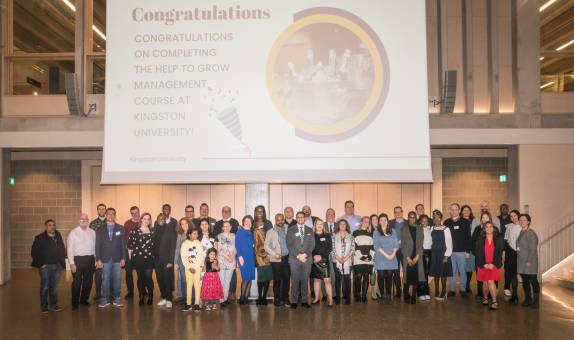
HRM Hot Topics Series: Alison Abu
Tuesday 14 May 2024
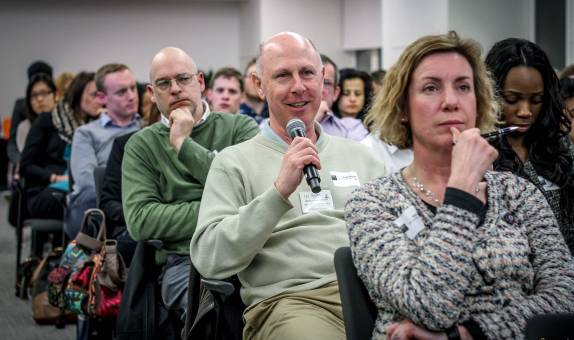
Psychology Colloquia Series: Professor Marie Juanchich
Wednesday 15 May 2024
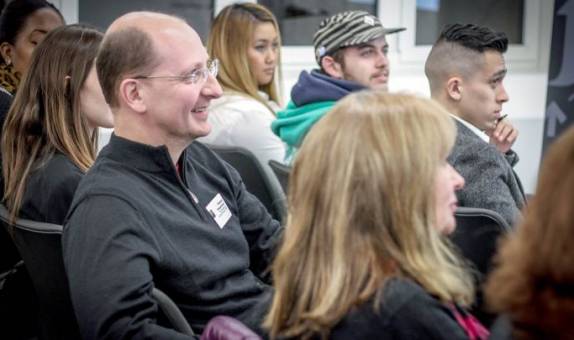
Psychology Colloquia Series: Dr Anne van Hoogmoed
Tuesday 21 May 2024
Young Scientists 2024
Wednesday 29 May - Thursday 30 May 2024

Psychology Colloquia Series: Dr Jayne Morriss
Friday 14 June 2024
Contact the Faculty
The main contact details for the Faculty of Business and Social Sciences are:
Faculty of Business and Social Sciences
Kingston University
Penrhyn Road
Kingston upon Thames
KT1 2EE
Tel: +44 (0)20 8417 9000
Map and directions
The two schools within our faculty are based on two different sites:
- School of Law, Social and Behavioural Sciences at Penrhyn Road
- Kingston Business School at Kingston Hill
Faculty contacts
For individual faculty contacts, please see our Staff Directory.
Connect with us
School of Law, Social and Behavioural Sciences
Kingston Business School
Specific enquiries
Please select a category below for the contact details relating to a specific area.